

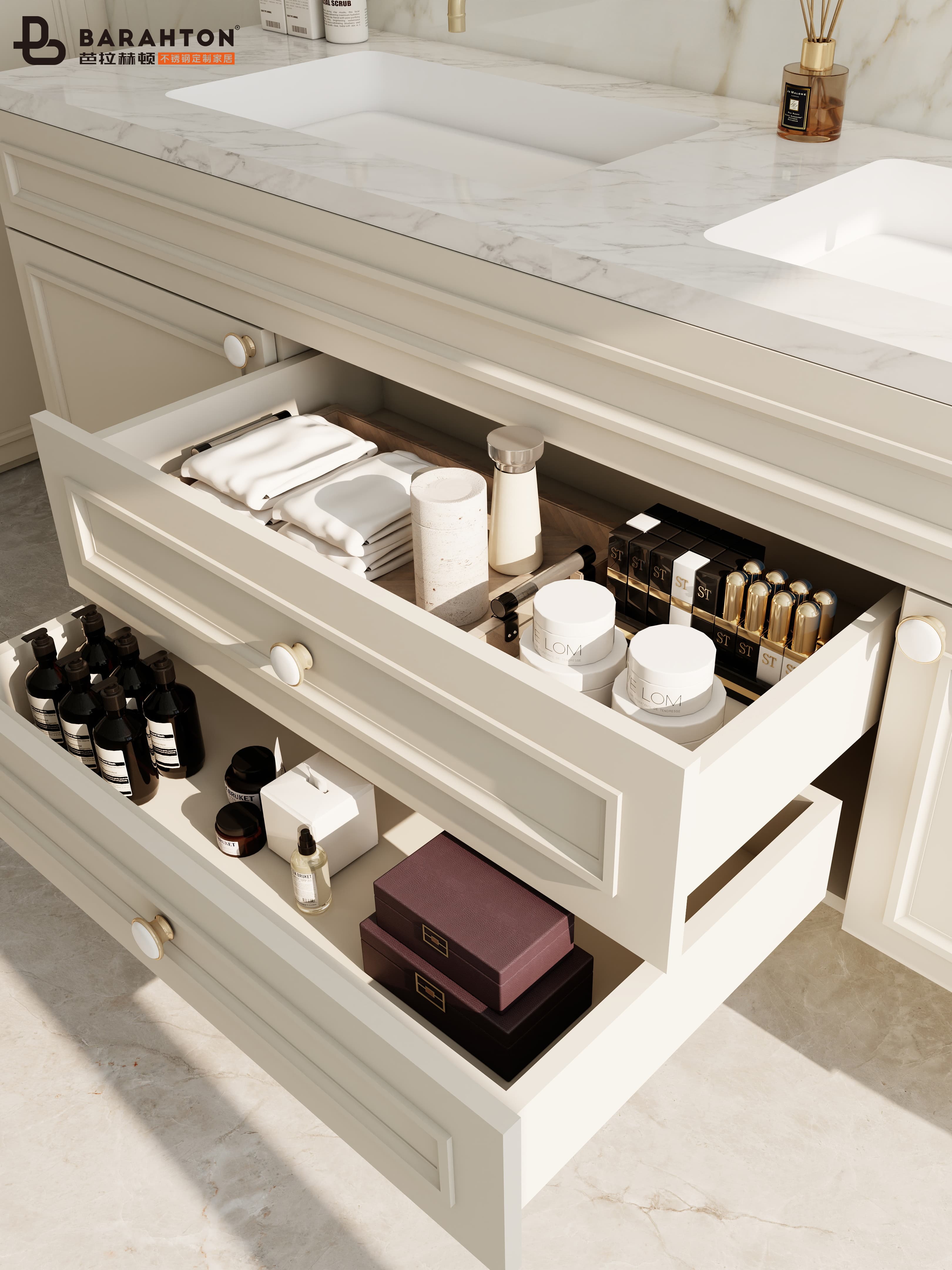
OEM Versus ODM: Choosing the Starting Point
Two cooperation models serve different buyer situations. OEM projects start from the buyer's design: drawings, renderings or reference products that the factory converts into manufacturable engineering. ODM projects start from the factory's development capability, where buyers refine existing models or commission new ones to specification.
Barahton ODM stainless cabinet design serves buyers who have market knowledge but not engineering resources. The factory's design team develops models from trend input and target-market feedback, offering exclusivity windows so distributors receive products their competitors cannot immediately copy. OEM projects dominate among established brands with complete design departments, where the factory's value lies in faithful execution and manufacturability advice rather than concept creation.
Step One: Drawing Review and Engineering Feedback
Every custom order begins with drawing exchange. Buyers send CAD files, 3D renderings or even reference photographs; the engineering team converts them into shop drawings and flags manufacturability issues before production commits. This review catches problems that are free to fix on paper and costly in metal: impossible bend radii, tolerances that welding cannot hold, hardware positions that conflict with structural members.
The feedback loop is fast because engineering sits inside the same facility as production. Questions that take weeks through trading-company intermediaries get answered in days when the people cutting the panels can speak directly to the people who drew them.
Step Two: Finish Selection and Sampling
Surface finish determines both appearance and performance, so it receives dedicated sampling attention. Buyers receive physical finish swatches: wood grain transfer options across oak, walnut and teak textures, baked lacquer color chips in gloss and matte, and brushed or mirrored metal samples. Because the factory runs all finishing in-house, swatch-to-production color consistency is controlled within one quality system rather than across supplier boundaries.
For significant projects, a pre-production sample unit follows swatch approval. The sample locks dimensions, finish, hardware and function as the quality reference for mass production. This sample becomes the standard against which shipment inspection is measured, protecting both parties from subjective disputes.
Step Three: Production with Progress Visibility
Mass production runs across five parallel lines covering cutting, forming, welding, surface treatment and assembly. The Barahton OEM custom cabinet service includes progress documentation as standard practice: stage photographs and inspection records shared at key points, which many buyers use directly for their own client approvals. For buyers who cannot visit, this documentation substitutes for presence, and the factory also accommodates third-party inspection agencies appointed by buyers.
Progress visibility serves a second purpose: schedule protection. When a project has a delivery date, seeing production status weekly allows early intervention if any stage drifts, rather than discovering the delay at shipping time.
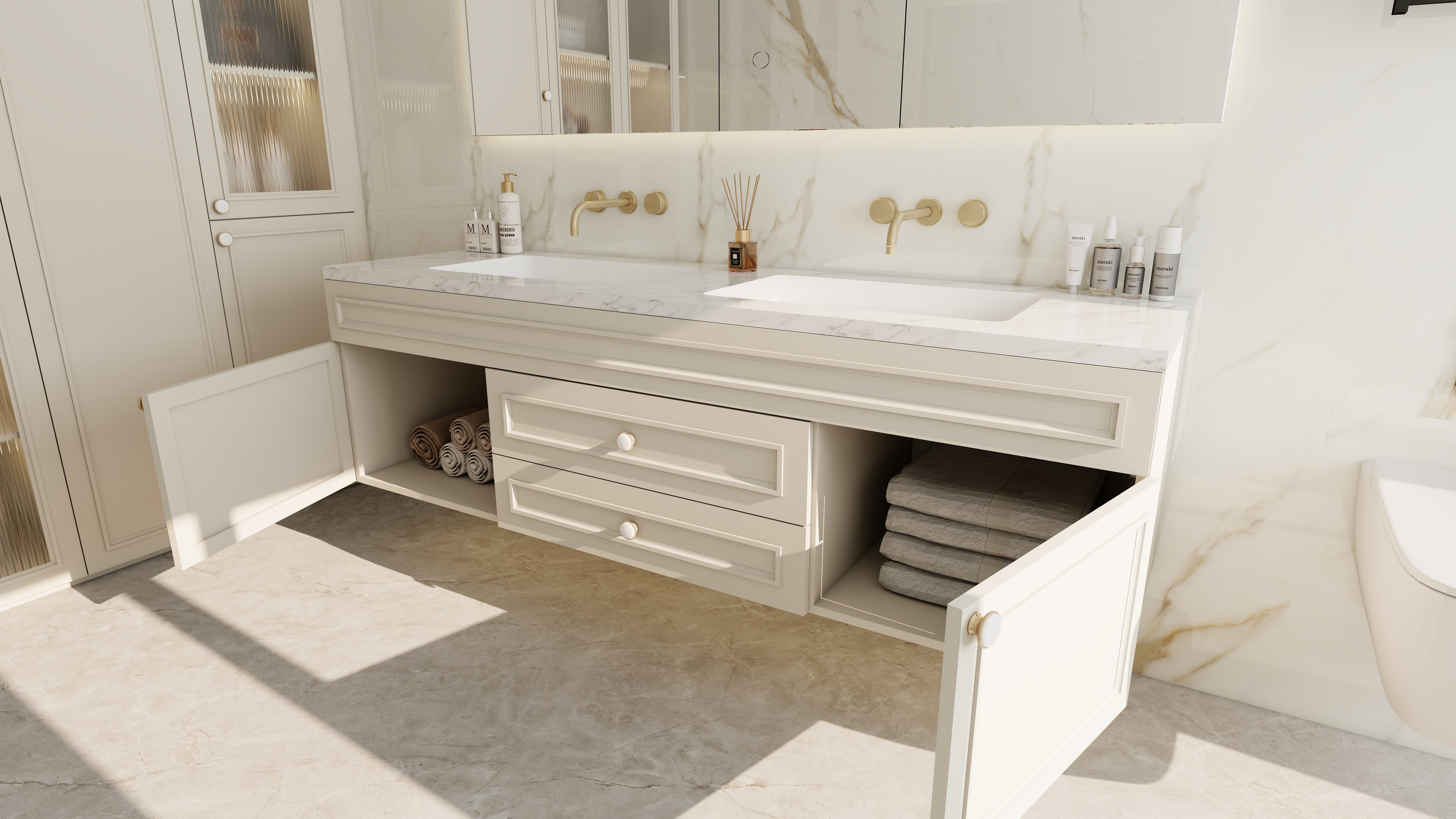
Step Four: Inspection, Packing and Shipment
Finished units pass final inspection covering dimensions, surface quality, hardware function and accessory completeness, with records attached to order documentation. Packing follows the metal furniture standard: corner protection, moisture-proof wrapping and reinforcement for tall panels. Loading plans optimize container space across mixed product types, and documentation is prepared for the destination market's customs requirements. Trade terms include FOB and EXW with T/T payment, and export operations account for 41% to 50% of total sales, so international shipping is routine rather than exceptional.
MOQ and Lead Time: The Practical Terms
Order economics determine whether a factory fits a buyer's business model. Barahton custom cabinet MOQ and lead time terms reflect the factory's digital production structure: minimum orders start from single units because CNC cutting absorbs new dimensions without tooling costs. This low threshold serves two buyer types: distributors testing new models before committing to volume, and project buyers who need exact quantities rather than padded round numbers.
Lead time runs one to three months in peak season and about one month off season, depending on order scope and finish complexity. Phased project orders can split delivery across construction milestones. Buyers should note that finish choice affects scheduling: baked lacquer orders require oven sequencing, while wood grain transfer and brushed finishes follow different production paths. Confirming finish-specific timing at quotation stage keeps schedules predictable.
Protecting Buyer Interests in OEM Relationships
Three practices distinguish professional OEM partners. First, sample-based quality anchors: production measured against an approved physical reference, not descriptions. Second, documentation discipline: inspection records and material information that travel with shipments. Third, communication structure: a dedicated contact who understands both the buyer's market and the factory's production. The Barahton ODM stainless cabinet design and OEM teams operate with all three, because repeat export business depends on them.
Buyers should apply the same checklist to every candidate supplier: request the sample protocol, ask what documentation ships with orders, and test communication responsiveness before placing the first order.
Intellectual Property and Design Confidentiality
Custom manufacturing raises a legitimate question: what happens to the designs shared with a factory? Professional OEM relationships rest on clear confidentiality boundaries. Buyer-provided drawings and specifications belong to the buyer and are used exclusively for that buyer's orders. Exclusivity arrangements for ODM-developed models are agreed in writing before production, defining who can sell the design and for how long.
For distributors, design exclusivity is often the real product. A unique cabinet line that competitors cannot source is worth more than margin points on a commodity item. Buyers evaluating OEM partners should ask directly how design files are stored, who has access, and whether exclusivity terms are offered on developed models. Suppliers with mature OEM operations answer these questions without hesitation because they have already built the internal controls.
Communication and Time Zone Practice
International OEM production runs on communication quality. The factory's export team operates with 24/7 online support as a stated service standard, covering the time zone spread between European mornings, Middle Eastern afternoons and American evenings. In practice this means order updates, technical questions and problem resolutions do not wait a full day for a reply, which keeps custom projects moving during the sample and approval stages where most delays actually accumulate.
Communication discipline also means documenting decisions. Finish approvals, dimension confirmations and schedule changes are recorded in writing as part of the order file, so verbal agreements never become disputes. This habit protects both sides: buyers get a verifiable approval trail, and the factory gets a clear production reference.
From First Order to Repeat Business
Most OEM relationships mature in three phases. The first order is typically a test: limited volume, focused scope, with the buyer verifying quality, packing and scheduling against expectations. The second phase expands scope: additional product categories, larger volumes, and the first customized developments. By the third phase, the factory becomes an extension of the buyer's product team, proposing new models, forecasting capacity and reserving production slots. Buyers who approach OEM sourcing as a relationship to build rather than a transaction to negotiate consistently reach the third phase, where unit economics improve and scheduling priority follows order history.
Conclusion
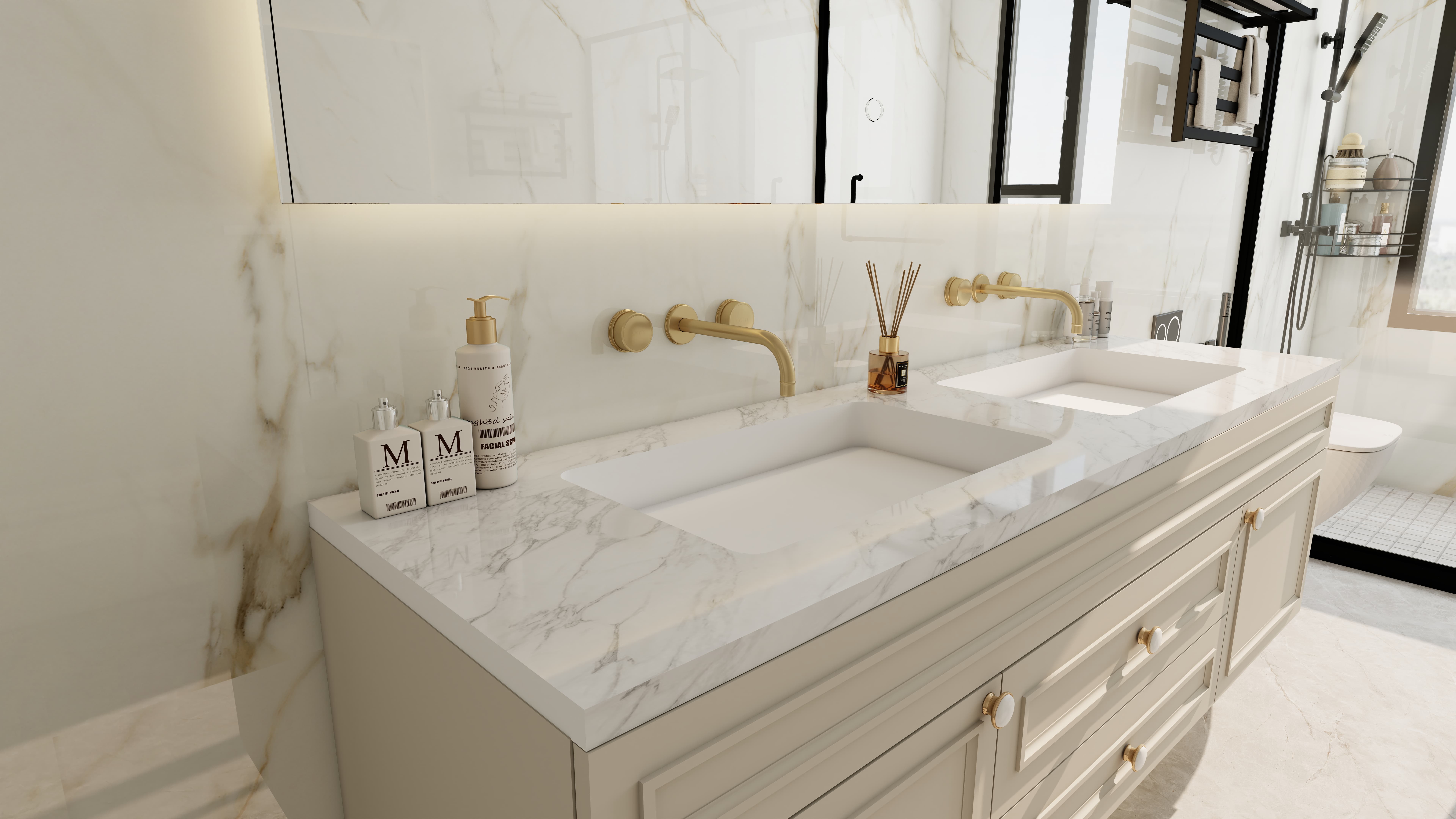
Custom cabinet sourcing succeeds or fails on process clarity. The Barahton OEM custom cabinet service provides a defined sequence: engineering review of buyer drawings, physical finish sampling, pre-production sample approval, documented production across five lines, and inspection records that travel with every shipment. Barahton custom cabinet MOQ and lead time terms make the factory accessible to testing distributors and phased projects alike, with single-unit minimums and one-to-three-month production windows. For importers weighing Barahton ODM stainless cabinet design development against pure OEM execution, both paths share the same foundation: in-house finishing, embedded quality control and an export operation that handles nearly half its production overseas.